Tier 5 · Transform
TO SHAPE
Forming a dough or a mixture into uniform pieces by hand — a ball, a log, a disc, a stuffed dumpling — with a smooth surface and no open seam.
Why it works
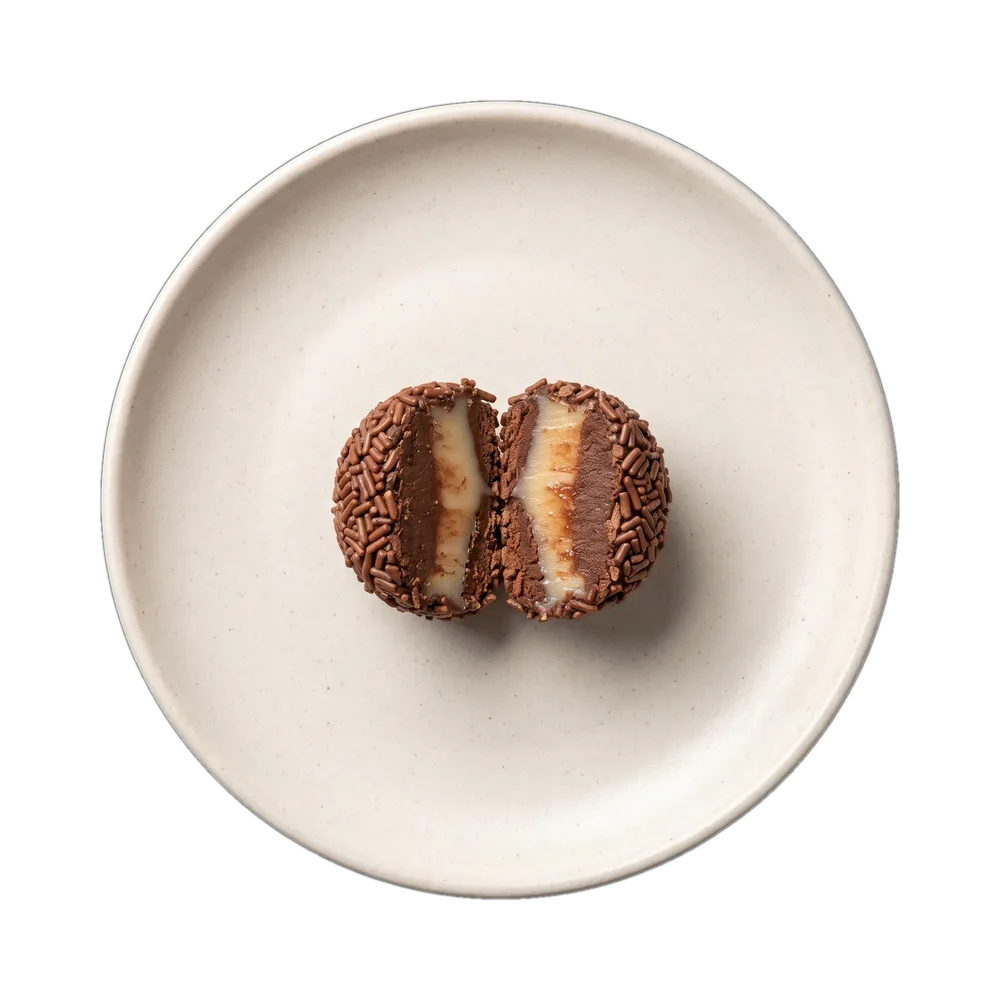
Two things matter and both are physical. Uniform size means uniform cooking: pieces that weigh the same finish at the same time, and the only reliable way to make them the same is to weigh or measure them, not to eye them. A smooth, taut surface with the seam pinched shut is what keeps a filled or fried piece together — a crack or an air pocket is where steam escapes in the fryer and where a dumpling bursts in the pot. The mixture has to be at the temperature that lets it hold a shape: a croquette or a brigadeiro is shaped cold, when the fat and starch are firm, and a bread dough is shaped after it has relaxed. Sticky mixtures are handled with damp or lightly oiled hands so the surface slides instead of tearing; floury doughs with a dusting of flour. Fewer, firmer motions make a better surface than many fussy ones.
How to tell
- Every piece weighs within a few grams of the others and looks like the same object.
- The surface is smooth and slightly taut, with no cracks, seams or folds showing.
- Set down on the tray, a piece holds its shape rather than slumping or spreading.
- Hands come away clean — the mixture is releasing, not clinging.
When it goes wrong
- A fried piece burst open and leaked in the oil, or a dumpling split in the pot.
- An open seam or a trapped air pocket. Press the seam shut with a damp finger and roll the piece under the palm so the surface closes.
- The pieces slumped and spread on the tray before cooking.
- Too warm or too wet. Chill the mixture until a finger leaves a mark, and shape it in small batches so the rest stays cold.
- Some pieces are done while others are still raw inside.
- Different sizes. Portion by weight or with a scoop before shaping, not after.
- The mixture sticks to the hands and the surface tears as it is rolled.
- Hands are dry for a sticky mixture, or the mixture is warm. Dampen or lightly oil the hands, work cold, and use flour only for a floured dough.
Recovering it
A cracked or open piece is re-rolled: press the seam shut, roll under the palm until smooth, chill again before cooking. Pieces that spread can be re-chilled and re-shaped as long as they have not been cooked. Uneven sizes are sorted, and the small ones come out of the oil or the pot first. A batch that will not stop sticking is returned to the refrigerator for twenty minutes — no amount of flour fixes a warm mixture.
Where to practice it
It carries to
Recipes using it
| Trinidad Aloo Pie | Latin American & Caribbean | 75 |
| Arancini | European | 120 |
| Beignets | American | 150 |
| Biscotti | European | 90 |
| Brigadeiro | Latin American & Caribbean | 50 |
| Buuz | East Asian | 70 |
| Coxinha | Latin American & Caribbean | 100 |
| Khachapuri | Eastern European & Slavic | 110 |
| Pelmeni | Eastern European & Slavic | 95 |
Generated from recipe step verbs and ingredient preparation forms. It is never authored, and it cannot drift from the recipes.