Tier 5 · Transform
TO BREAD
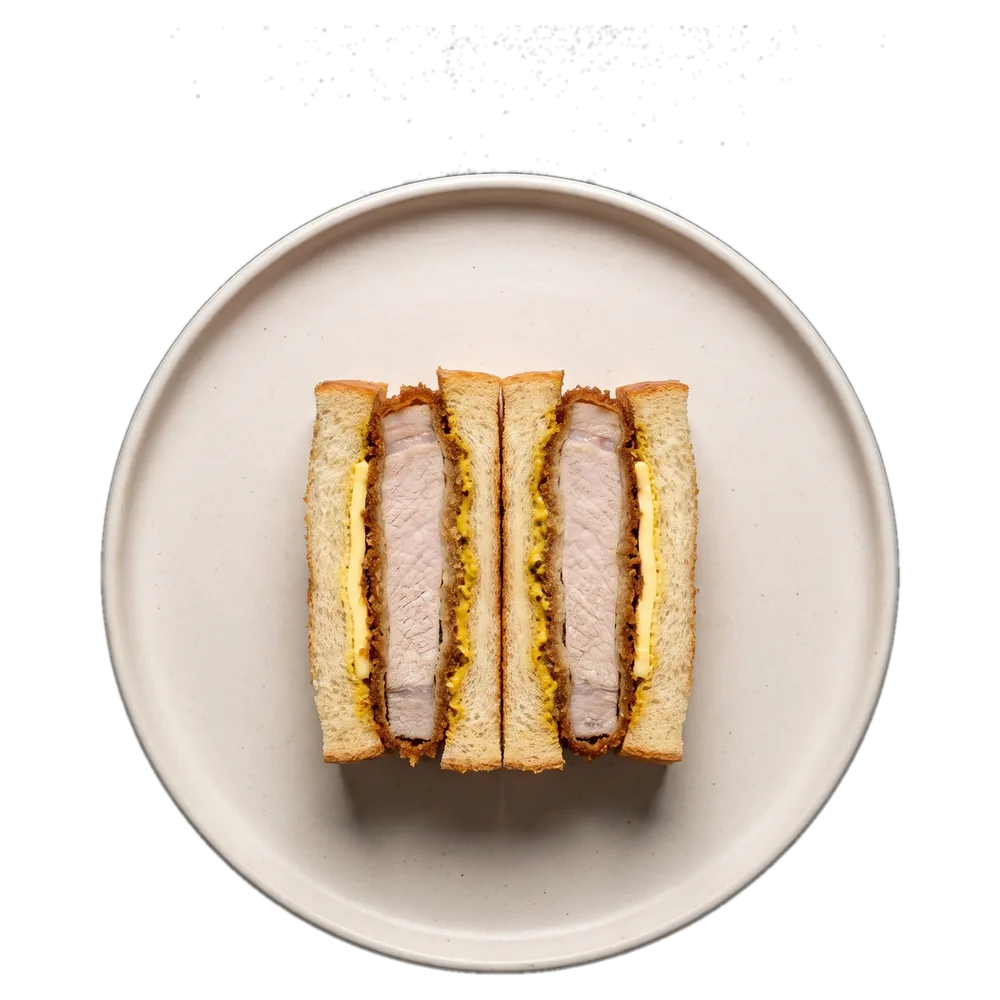
Coating food in flour, then egg, then crumbs so it fries or bakes inside a crisp shell that stays on — a coat that is applied, not one that forms.
Why it works
Each of the three layers exists because of the one after it. Flour dries the surface and gives the egg something to grip; egg is the glue, and its proteins set into a solid film at about 70°C, which is why the crumbs are locked on within seconds of hitting hot fat; the crumbs give surface area, and surface area is what browns and crisps. A wet surface defeats the flour, a bare patch of egg has nothing to hold the crumbs, and crumbs on a coat that has not set slide off in the pan. The coat wants to be dry and matte before it cooks — ten minutes on a rack lets the egg tack up and stops the shell lifting away as one piece. Oil at about 175°C sets the crust before the food inside overcooks; a thick piece should be pounded even first, because the crust only browns once. One hand stays dry for flour and crumbs and one wet for egg, or both end up wearing the coating.
How to tell
- The coated piece looks dry and matte all over, with no glossy patches of bare egg.
- Tap the coated piece and no crumbs fall — they are stuck, not resting.
- In the fat the crust bubbles at the edges and stays put; nothing floats free.
- The cooked shell lifts as one piece when cut, hollow-sounding and golden.
When it goes wrong
- The coating slid off in the pan and is frying on its own.
- The surface was wet under the flour, the flour was skipped, or the piece went straight from the crumbs into the fat. Pat dry, flour, egg, crumb, then rest ten minutes.
- Bald patches — crust in some places, bare food in others.
- Egg did not reach every part, or the same hand went from egg to crumbs and back so the crumbs clumped in the egg. Keep one hand dry and check the piece before it goes in.
- Soggy, greasy crust.
- Oil too cool or too many pieces at once, so the crust soaked before it set. Hold 175°C and fry in batches.
- Dark crumbs, raw inside.
- Piece too thick for the time the crust can take. Pound it even before breading, or finish the fried piece in the oven.
Recovering it
A bald patch is re-dipped in egg and crumbs before frying; after frying it is lost, so check first. A coat that is lifting off at the edge is set aside to rest and fried again briefly — sometimes it re-adheres, often it does not, and the honest fix is the rest step next time. A raw centre under a finished crust goes into a 180°C oven for ten minutes, where it cooks without the crust darkening further. Soggy crust does not recover; drain it well and know the oil was cold.
Where to practice it
It carries to
Recipes using it
| Chicken Cordon Bleu | European, American | 75 |
| Chicken Fried Steak | American | 50 |
| Chicken Kiev | European | 80 |
| Coxinha | Latin American & Caribbean | 100 |
| Croquetas | European | 120 |
| Katsu Sando | East Asian | 70 |
| Torta de Milanesa | Latin American & Caribbean | 45 |
Generated from recipe step verbs and ingredient preparation forms. It is never authored, and it cannot drift from the recipes.