Omelette
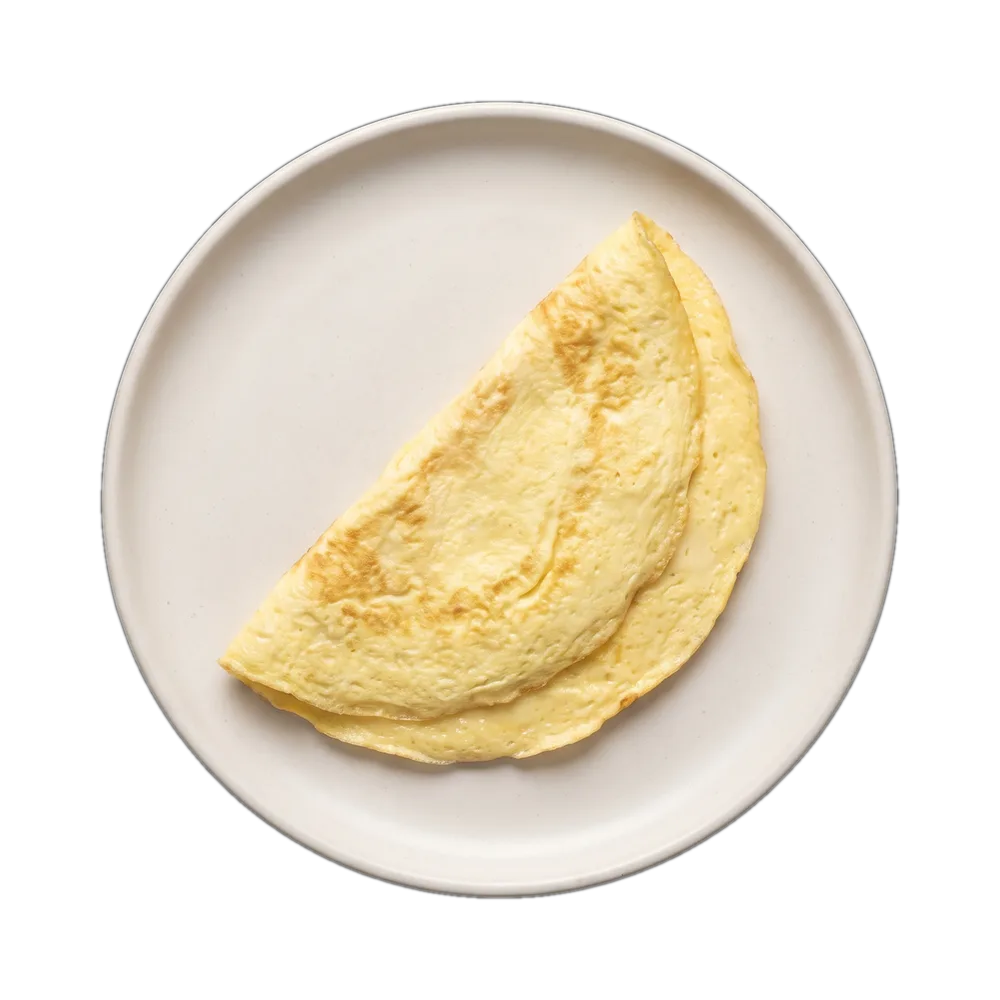
Variations
317kcal19.1g protein25.8g fat1.2g carbs~$1.14/ serving*Estimates computed from the ingredient list; cost uses average US supermarket prices. Not a substitute for packaging measurements or your receipt.
Contains dairy, egg
Restrictions
Containsdairy · eggIt is in an ingredient you cannot leave out.
Diets
VegetarianPescatarianNo porkNo alcohol
Worked out from the ingredient list. It knows nothing about brands, shared equipment or cross contamination, and it is not a certification — if you have an allergy, you still have to read the label.
Ingredients
Servings:
| 6 unit | 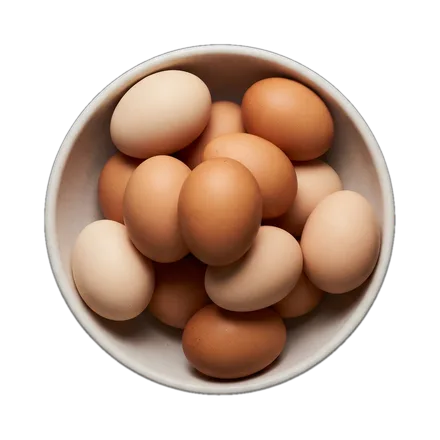 eggs |
| 2 tbsp | 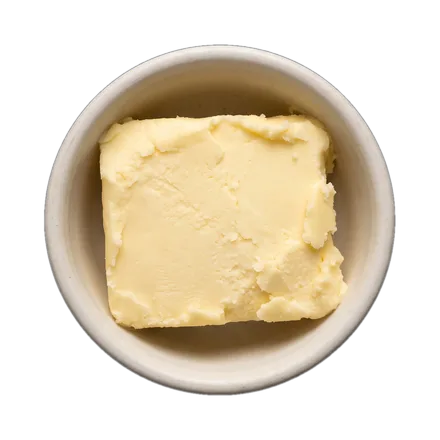 butter (unsalted) |
| ½ tsp | salt |
| ¼ tsp |  black pepper (ground) |
Optional
Not counted above. The dish works without them.
| 1 oz | 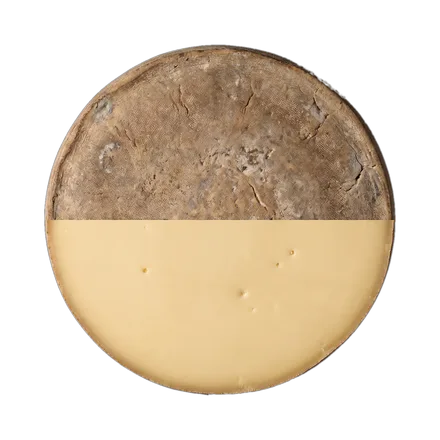 gruyère (grated) |
| 1 tbsp | 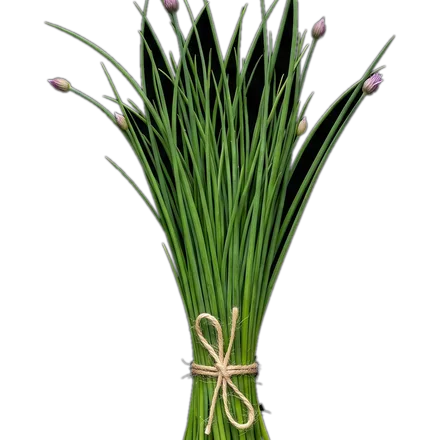 chives (finely sliced) |
| 1 tbsp | 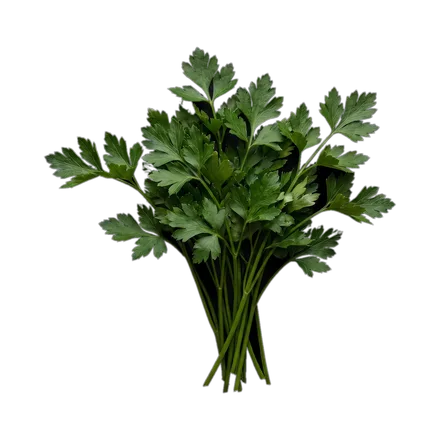 parsley (chopped) |
| 1 tbsp |  milk |
Steps
- Whisk1 mincold, in a bowleggs + salt + black pepper, 30 to 40 strokes until the colour is uniform and no clear ropy strands of albumen remain — an unbroken strand sets separately as a tough white curd, and that is the flaw you taste in a badly mixed omelette. Salt now, not later: it has a minute to dissolve and slightly loosen the proteins, which makes the set more tender
- Cook2 minmedium, 8-inch nonstick or seasoned panhalf the butter, swirled to coat the sides as well as the base. Wait until the foam subsides but before any speck browns — the foaming is the butter's water boiling off, and it is the only thermometer you need. Browned butter means the pan will set the egg into a skin on contact
- Fry2 minmedium, stirring constantlyhalf the egg mixture, poured in at once, then agitated hard with a fork or rubber spatula, scraping the bottom and pulling the setting egg through the liquid. You are building thousands of tiny curds suspended in still-fluid egg rather than one sheet; that is what makes the interior creamy. Stop while the surface is glossy and barely liquid — carryover heat finishes it, and egg pushed past about 165°F squeezes out its water and weeps
- Fold1 minoff heat, pan tiltedtilt the pan away from you and roll the omelette down onto itself with the spatula, the far lip first, so it lands seam-side down on the plate as a plump three-sided cigar. Any optional cheese or herbs go on the surface just before rolling, so cheese melts in the residual heat rather than in the pan. There should be no brown anywhere — colour on a French omelette means the surface protein overcooked and toughened
- Cook3 minrepeatremaining butter + remaining eggs = second omelette, cooked the same way and served immediately. Omelettes do not hold: the curds continue to tighten and shed liquid on the plate within a couple of minutes, which is why this dish is cooked to order rather than in one large batch