Cheesecake
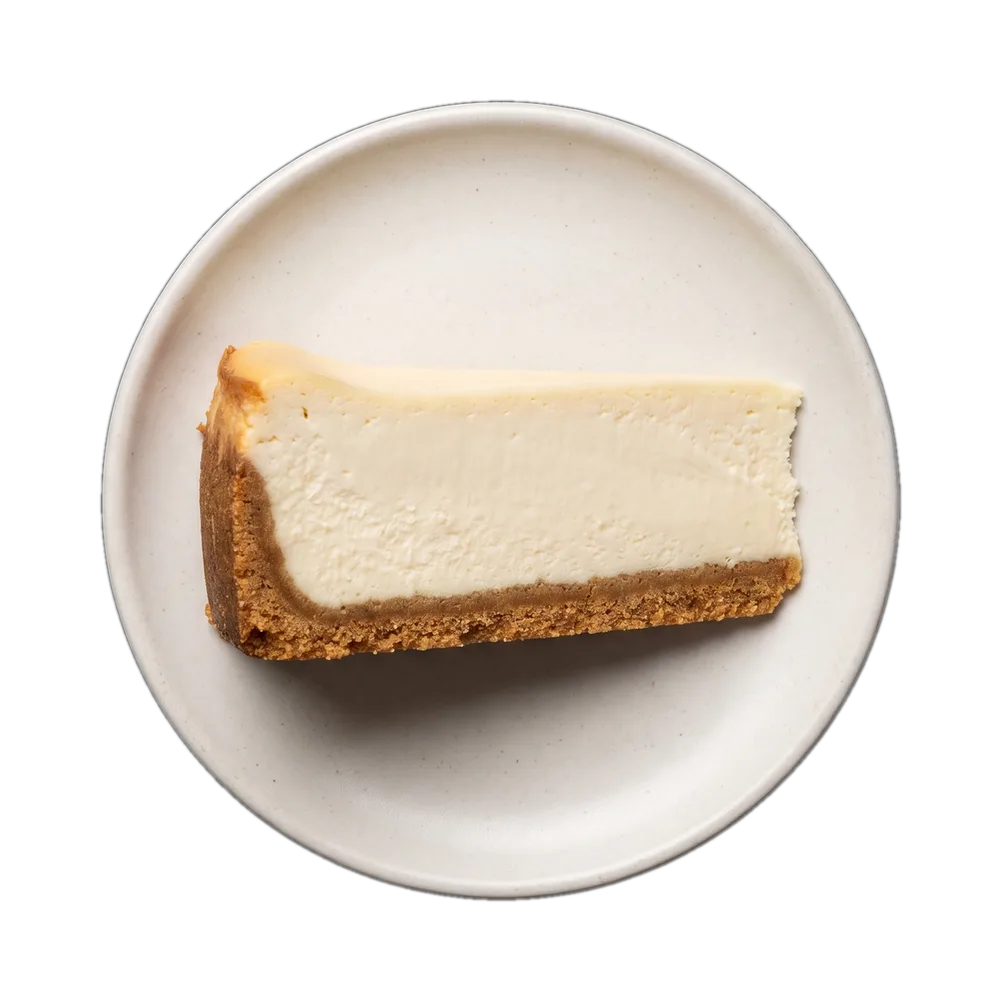
257kcal4.1g protein18.9g fat18.6g carbs~$0.65/ serving*Estimates computed from the ingredient list; cost uses average US supermarket prices. Not a substitute for packaging measurements or your receipt.
Contains gluten, dairy, egg
Restrictions
Containsgluten · dairy · eggIt is in an ingredient you cannot leave out.
Diets
VegetarianPescatarianNo porkNo alcohol · check
Worked out from the ingredient list. It knows nothing about brands, shared equipment or cross contamination, and it is not a certification — if you have an allergy, you still have to read the label.
Ingredients
Servings:
| 12 oz | 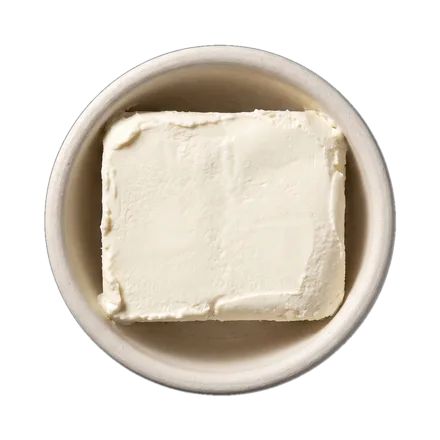 cream cheese (full-fat, at room temperature) |
| ¾ cup | 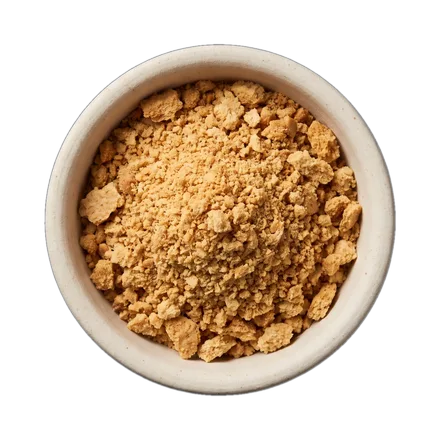 graham cracker crumbs |
| 3 tbsp | 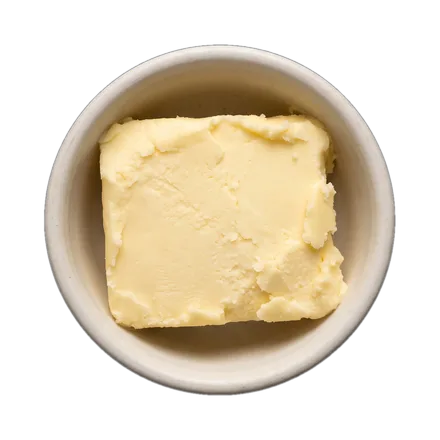 butter (melted) |
| ½ cup | 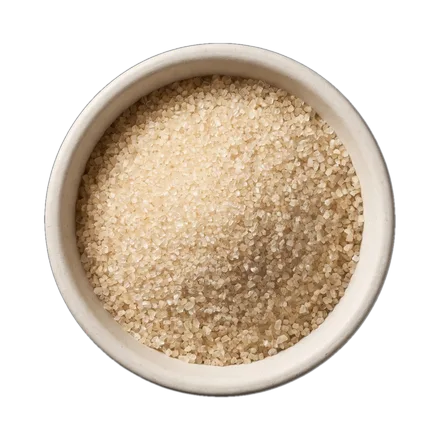 sugar (for the filling) |
| 1 tbsp | sugar (for the crust) |
| 2 unit | 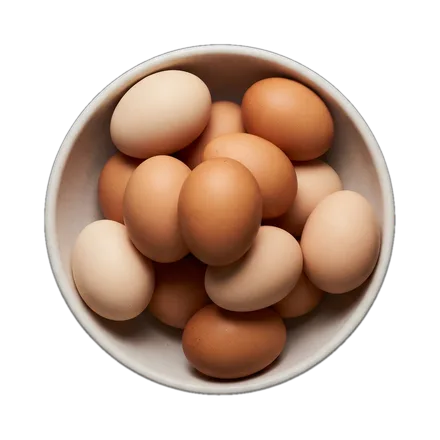 eggs (room temperature) |
| ¼ cup | 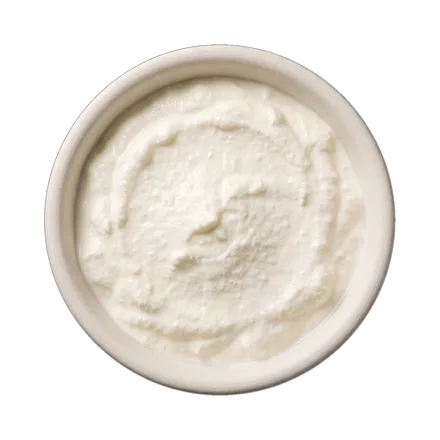 sour cream |
| 2 tbsp | 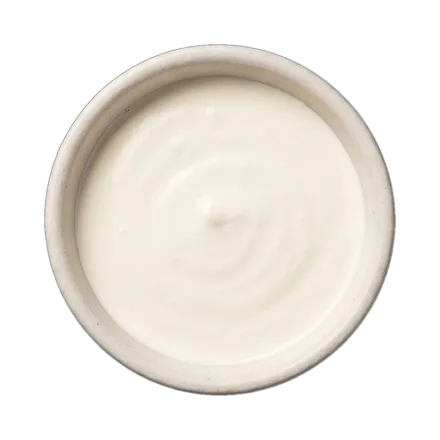 heavy cream |
| 1 tbsp | 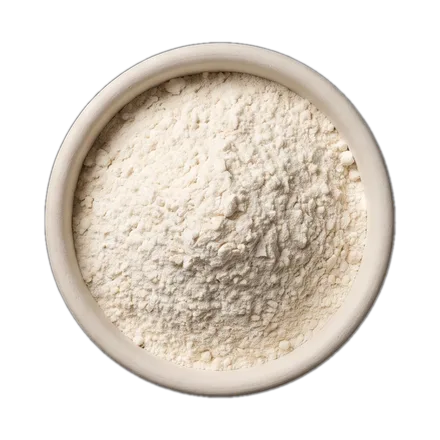 flour |
| 1 tsp | 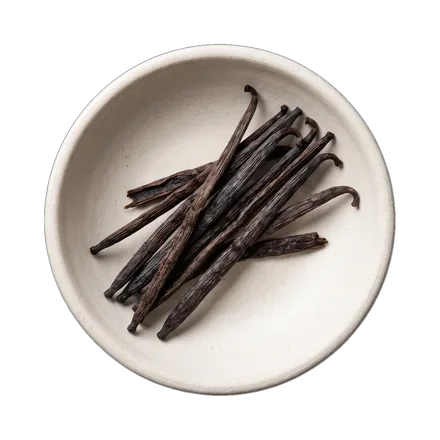 vanilla (extract) |
| 1 tsp | 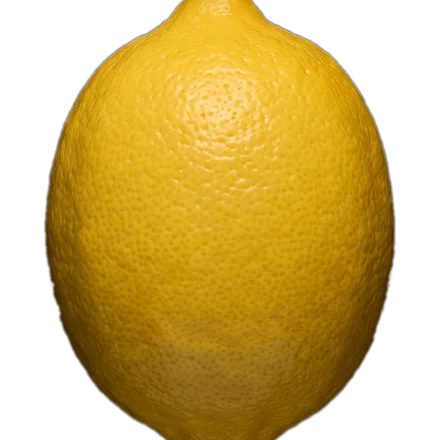 lemon (juice) |
| 1 pinch | salt |
Optional
Not counted above. The dish works without them.
| 1 tsp | lemon (zest) |
| ½ cup | 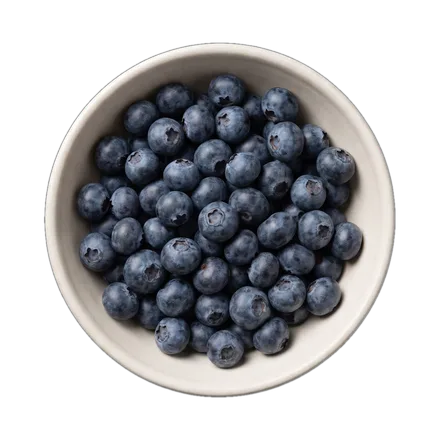 blueberries (for topping) |
| ½ cup |  sour cherry (for topping) |
Steps
- Mix3 minby handgraham cracker crumbs + 1 tbsp sugar + melted butter, until the crumbs clump when pressed — then press firmly up the sides and across the base of a 6 in springform. Loose crumbs float off into the batter and make the bottom greasy rather than crisp.
- Bake10 min350°Fthe crust alone, until it smells toasted and sets. A raw crust turns to paste under a wet custard; a pre-baked one stays a barrier.
- Mix4 minlow speed, paddlecream cheese + 0.5 cup sugar + flour + salt, scraping the bowl twice, until absolutely no lumps remain. This is the only stage that can smooth the batter — cold cream cheese never fully breaks down, and once eggs are in, more beating only adds air. Air is what makes a cheesecake dome and then crack as it cools.
- Mix2 minlowest speed+ sour cream + heavy cream + vanilla + lemon juice, just to combine. The acid firms the set slightly and cuts the flatness of pure dairy.
- Fold2 minminimal agitation+ eggs one at a time, stopping the moment each disappears. Eggs are the entire structure here; whipped eggs mean a soufflé that collapses into a crater.
- Bake60 min325°F, water bath, foil-wrapped panset the springform in a larger pan, wrap the base in foil against seepage, and pour boiling water halfway up the sides. Bake until the outer inch is set and the middle 2 in still wobbles as one mass when nudged — around 150°F at the center. The water caps the edge temperature at boiling, so the custard sets evenly instead of curdling at the rim; a cheesecake baked to a firm center is already overcooked and grainy.
- Rest60 minoven off, door ajarleave the cake in the cooling oven, then run a thin knife around the rim while still warm. Cracks come from the custard contracting faster than the crust it is stuck to — a slow cool and a released edge give it nowhere to tear.
- Store360 minrefrigerated, uncovered 1 hr then loosely coveredchill at least 6 hours, ideally overnight. The set is not finished when the cake is cool — the fat has to recrystallize, which is what turns a soft baked custard into something that slices cleanly. Cover only after the surface is dry, or condensation will bead on top.