Caribbean Black Cake
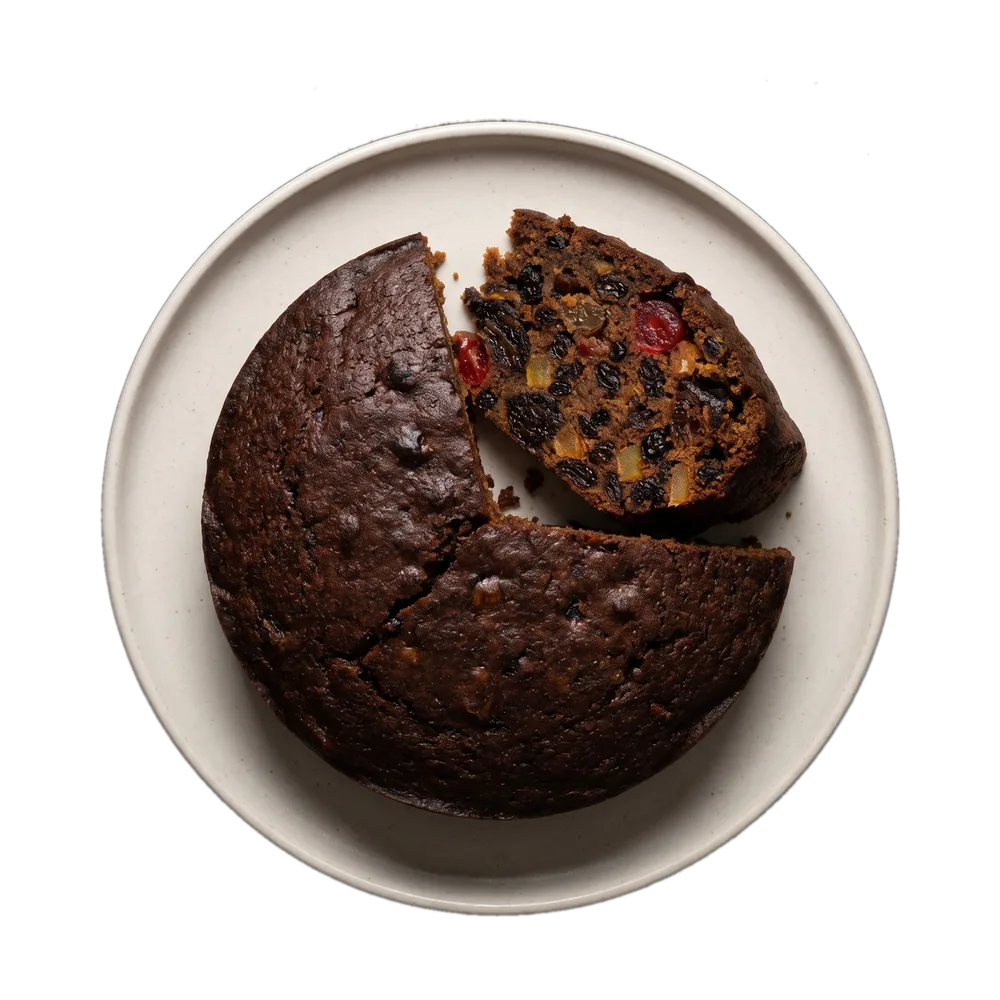
445kcal4.9g protein17.2g fat49.9g carbs*Estimates computed from the ingredient list; cost uses average US supermarket prices. Not a substitute for packaging measurements or your receipt.
Contains gluten, dairy, egg
Restrictions
Containsgluten · dairy · eggIt is in an ingredient you cannot leave out.
Diets
VegetarianPescatarianNo pork
Worked out from the ingredient list. It knows nothing about brands, shared equipment or cross contamination, and it is not a certification — if you have an allergy, you still have to read the label.
Ingredients
Servings:
| 8 oz | prunes (chopped) |
| 6 oz | raisins |
| 6 oz | dried currants |
| 4 oz | glacé cherries (chopped) |
| 3 oz | candied citrus peel (chopped) |
| 1 ¼ cup | dark rum |
| ½ cup | brandy or sweet red wine |
| ½ cup | granulated sugar (for browning) |
| 3 tbsp | boiling water (for browning) |
| 1 cup | unsalted butter (softened) |
| ¾ cup | dark brown sugar |
| 4 unit | eggs |
| 2 cup | all-purpose flour |
| 1 ½ tsp | baking powder |
| 1 tsp | ground cinnamon |
| ½ tsp | ground nutmeg |
| ¼ tsp | ground allspice |
| 1 tsp | vanilla |
| 1 unit | lime (zest) |
Steps
- marinate720 mincovered at room temperature overnight; fruit visibly plumped and most free liquid absorbedCombine the prunes, raisins, currants, cherries and citrus peel with 1 cup of the rum and the brandy. Cover and soak overnight. Time is doing structural work here: hydrated fruit later becomes the cake's moist body rather than dry inclusions that steal water from the crumb.
- mix5 mincoarse paste with small fruit pieces still visibleProcess the soaked fruit and its remaining liquid until it forms a thick coarse paste, not a completely smooth purée. Black cake gets its dense, unified texture from dispersed fruit, but leaving a little texture prevents the crumb from becoming gummy and one-dimensional.
- caramelize10 minwatch constantly; sugar extremely dark brown and smoking lightly, but not acrid blackHeat the granulated sugar in a heavy small pan until melted and very dark. Carefully add the boiling water to stop the caramelization and stir over low heat until fluid. This browning is intentionally much darker than dessert caramel; pull it the moment it smells deeply toasted rather than burnt, because acrid sugar cannot be hidden by the fruit.
- mix10 minbutter and brown sugar lightened; eggs incorporated one at a time without curdlingCream the butter and brown sugar until lighter and fluffy, then beat in the eggs one at a time followed by vanilla and lime zest. Gradual egg addition preserves the fat emulsion; dumping cold eggs in at once can split the batter before the unusually heavy fruit paste is added.
- fold8 minthick uniform batter with no flour pocketsWhisk the flour, baking powder, cinnamon, nutmeg and allspice separately. Fold the dry ingredients into the butter mixture, then fold in the fruit paste and enough dark browning to turn the batter deep walnut-brown. Mix only until uniform; the fruit already makes this batter dense, so extra mixing only toughens the supporting crumb.
- bake165 min250°F / 120°C in a parchment-lined 9-inch pan; center set and a tester shows moist crumbs but no raw batterBake low and slow until the center is fully set. If the top darkens early, cover it loosely. The low oven is deliberate: this batter contains far more sugar, fruit and alcohol than an ordinary cake, so high heat can scorch the perimeter while the center remains wet.
- prep5 mincake still warm; spirit added gradually and absorbed rather than poolingPoke the warm cake lightly with a skewer and brush it with the remaining rum in several passes. Stop if liquid pools. Feeding a little at a time lets the cake absorb aroma and moisture evenly without turning the base sodden.
- rest2880 mincompletely cool, wrapped airtight, at least 48 hours before slicingCool completely, wrap airtight and rest for at least two days before serving. The cake improves as alcohol and fruit moisture redistribute through the dense crumb; slicing it warm or the day it is baked gives a wetter center and a harsher spirit edge. Longer aging and periodic rum feeding are traditional options.